



About This Item
Description
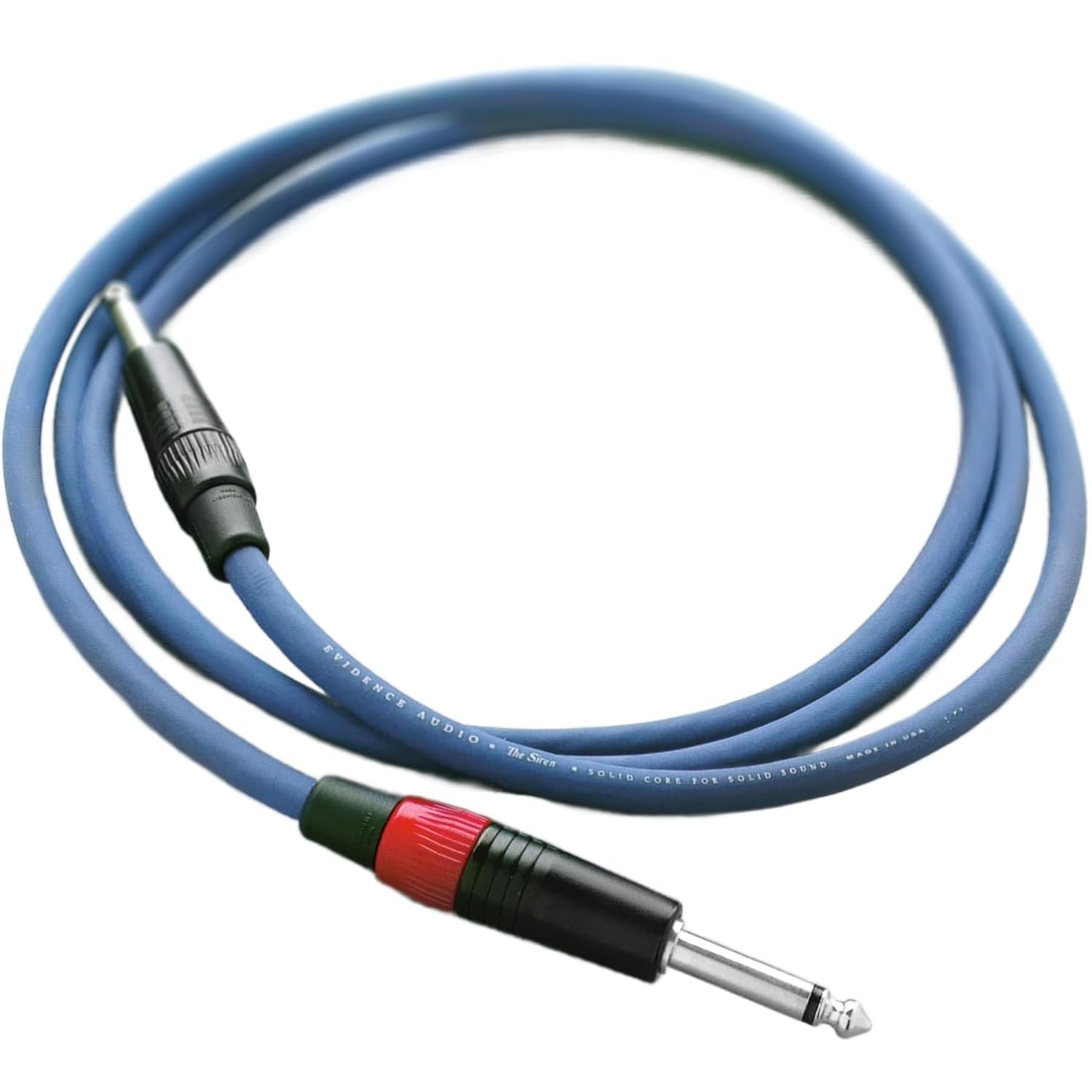
The Siren is designed to create the kind of first-listen realization that a spec sheet alone cannot convey — a speaker cable that lets your amp and cabinet speak without the strand-interaction haze of ordinary wire. This listing is the 10 ft (3 m) version with straight 1/4" phone plugs.
Choose the right version
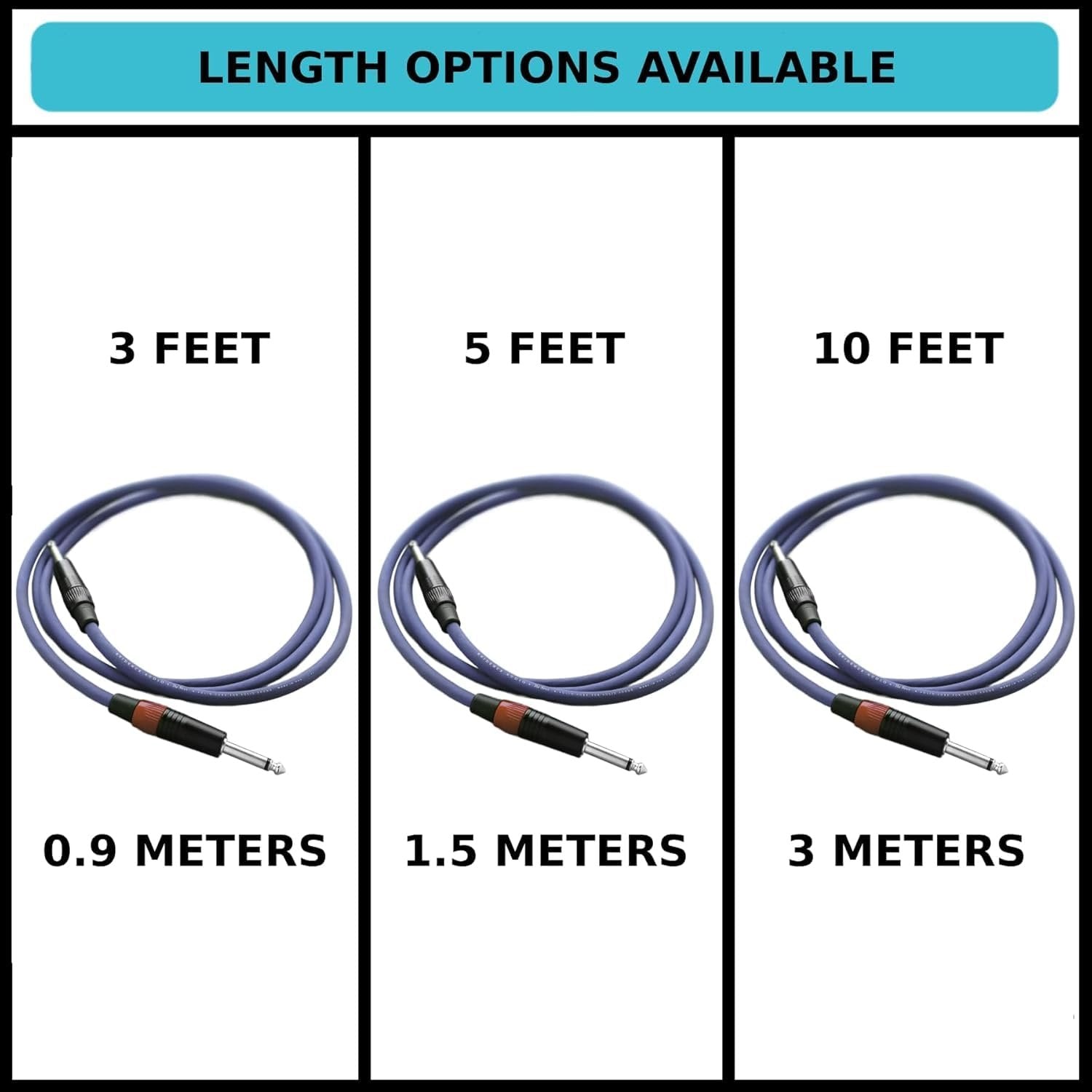
This is the 10 ft (3 m) version with 1/4" phone plugs. Choose the length that matches the distance between your amplifier head and cabinet. The Siren is a speaker cable for amp-to-cabinet use only — it is not a line-level or instrument cable.
Why players choose the Siren
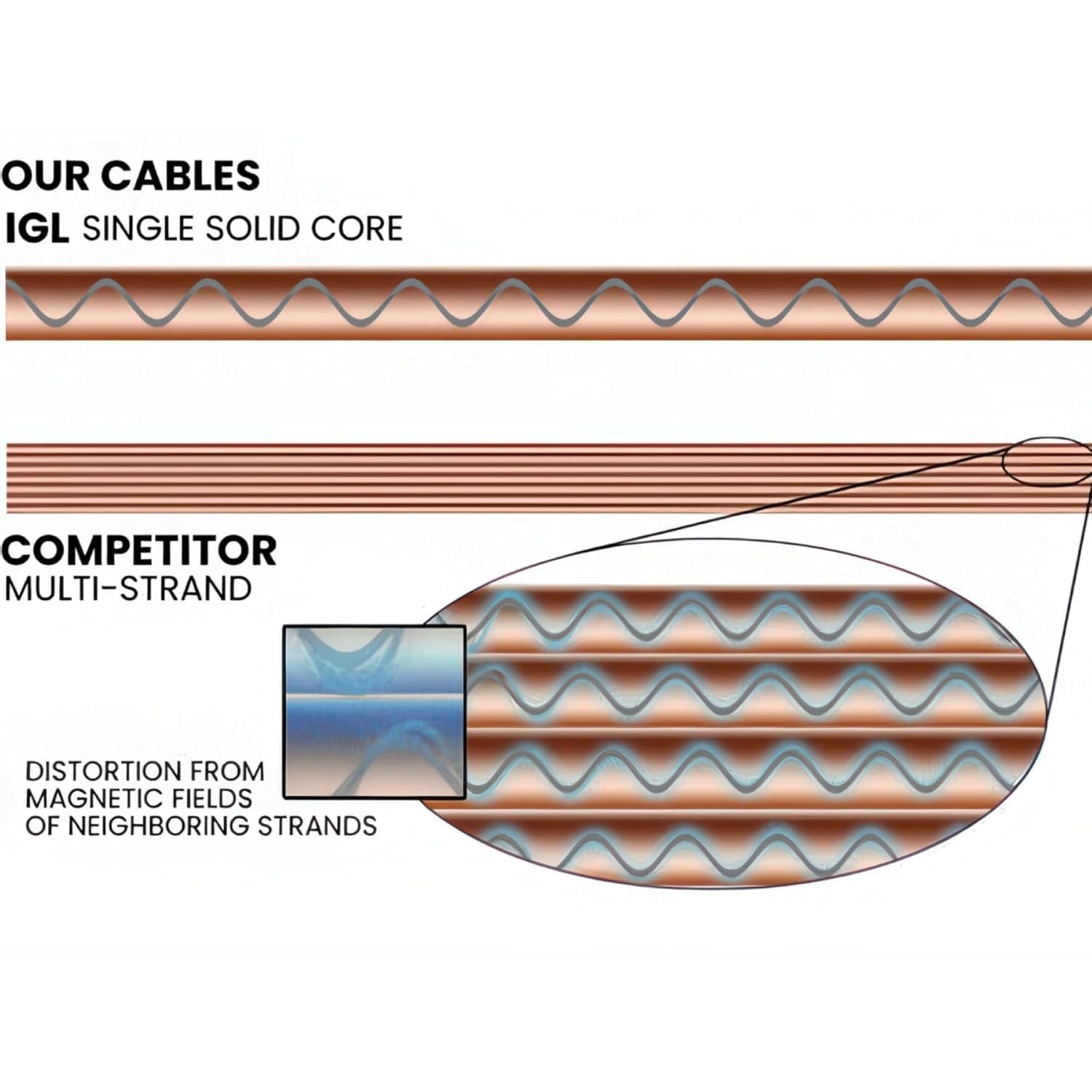
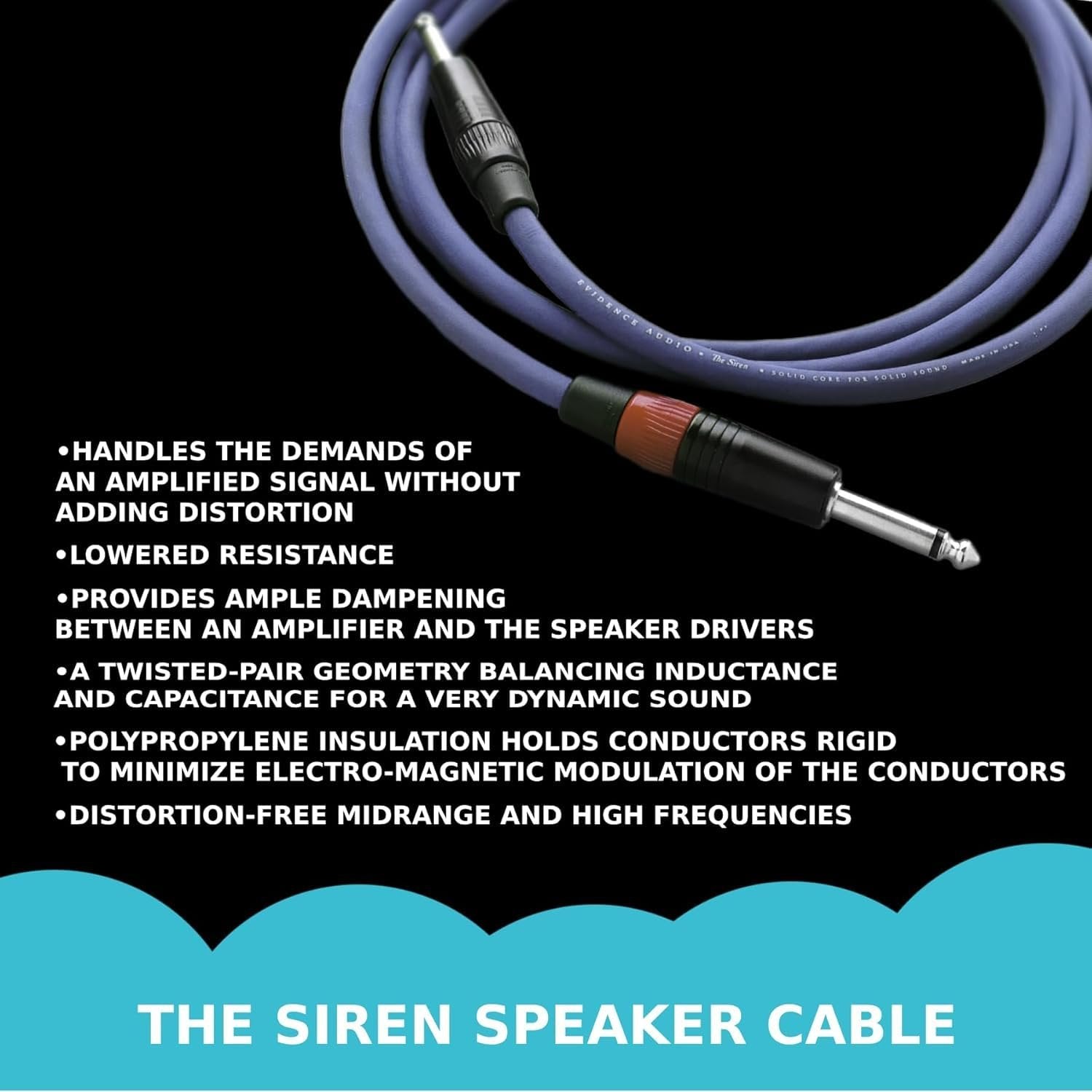
Players choose the Siren to handle the demands of a speaker-level signal cleanly. Six individually insulated 20 AWG solid-core IGL conductors — three positive and three negative — run in a helical, open-core twisted-pair array so the cable can carry current without the strand interaction that colours ordinary speaker cable. A single thin conductor would not offer enough cross-section for an amplified signal; splitting it into three per pole keeps each conductor small while the bundle adds up to about 15 AWG for ample damping.
How it compares
The Siren is Evidence Audio's speaker cable, built with a six-conductor helical, open-core geometry sized for a speaker-level current signal. Its solid-core IGL conductors follow the same design priority as the company's instrument cables: keep strand interaction out of the signal path.
Key features
- Six individually insulated 20 AWG solid-core IGL conductors (three positive, three negative), about 15 AWG combined
- Proprietary high-purity IGL copper that exceeds IACS conductivity standards for annealed copper
- Helical, open-core twisted-pair geometry with spacing between poles to reduce magnetic interaction and balance inductance and capacitance
- Polypropylene insulation holds the conductors rigid; durable PVC outer jacket
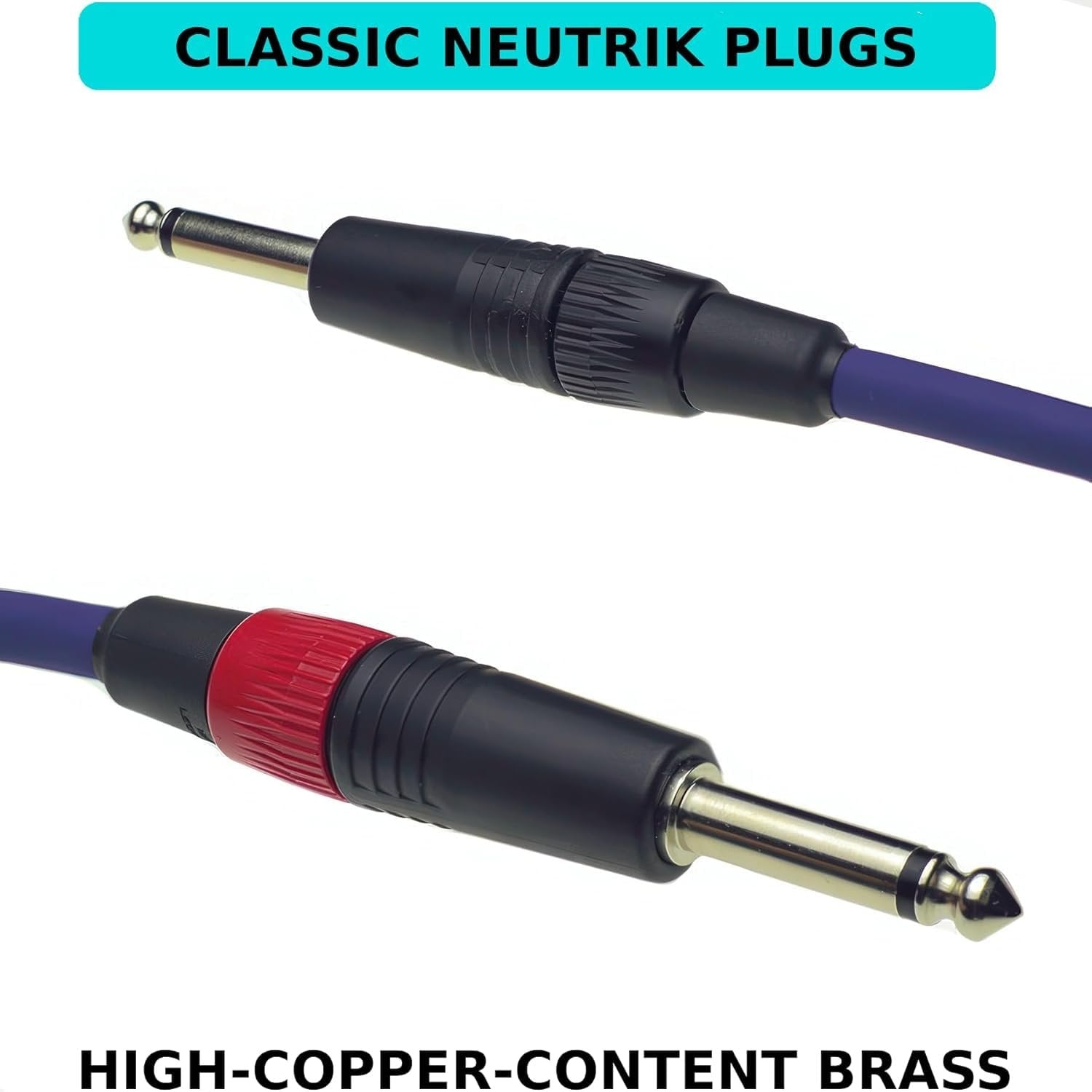
- Neutrik 1/4" phone plugs in high-copper-content brass with nickel plating and a chuck-type cable clamp
- Soldered with TRT Wonder Solder Signature; directional (red boot toward the cabinet)
- Hand-built in the USA from USA-manufactured material
- Also made by Evidence Audio with Speakon connectors and in 3 ft and 5 ft lengths
Getting the Best Sound
- Connect the red-boot end to the speaker cabinet and the other end to the amplifier's speaker output
- Allow about 40 hours of signal for break-in; roughly 80% of the change happens in the first 10 hours
Technical specifications
| Brand | Evidence Audio |
|---|---|
| Model | The Siren Speaker Cable (Siren II, SI2SS10) |
| Type | Speaker cable (amplifier to cabinet) |
| Length | 10 ft (3 m) |
| Plugs | Straight to straight, Neutrik 1/4" (6.35 mm) phone plugs |
| Conductors | Six individually insulated 20 AWG solid-core IGL copper (3 positive / 3 negative) |
| Combined gauge | About 15 AWG |
| Geometry | Helical open-core twisted pair |
| Insulation / jacket | Polypropylene / PVC |
| Contacts | High-copper-content brass, nickel-plated |
| Solder | TRT Wonder Solder Signature |
| Directional | Yes, red boot = cabinet end |
| Break-in | About 40 hours |
| Made in | USA (hand-built) |
FAQ
Why does the Siren use six conductors? A single 20 AWG conductor doesn't provide enough cross-section for a speaker-level signal, so three positive and three negative conductors run helically, adding up to about 15 AWG for ample damping while each conductor stays small.
Which end goes to the cabinet? The end with the red boot connects to the speaker cabinet; the other end goes to the amplifier's speaker output.
Can I use it as an instrument or patch cable? No. The Siren is built for the speaker-level signal between amplifier and cabinet. For guitar to amp, use an instrument cable such as the Reveal or the Forte.
Is a Speakon version available? Yes, Evidence Audio also builds the Siren with Speakon connectors. This listing is the 1/4" phone-plug version.
Is this the Siren II? Yes. Evidence Audio lists it as The Siren Speaker Cable; dealers sell the current six-conductor version as the Siren II (model code SI2SS10 for 10 ft straight to straight).
Does it need a break-in period? It sounds its best after about 40 hours of signal, with roughly 80% of the change in the first 10 hours.